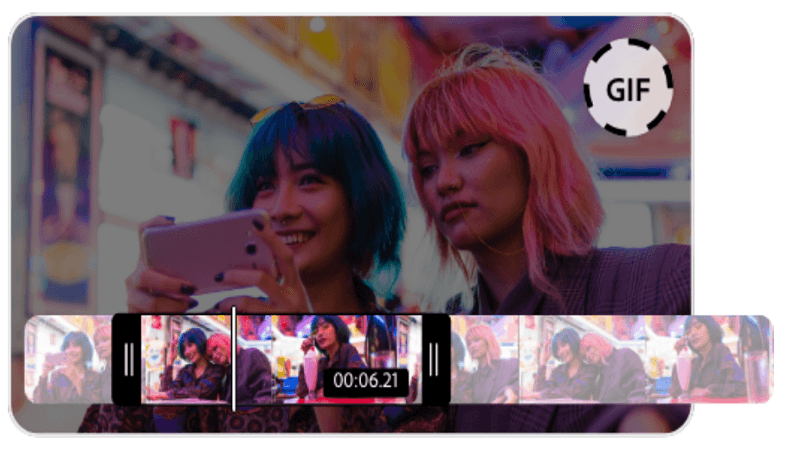
Not every piece of content needs to be a polished two-minute video to make an impact. Sometimes, the most effective way to catch someone’s attention is a simple, looping animation that explains an idea in seconds. That’s exactly why GIFs have remained relevant for so long. They’ve survived countless social media trends because they’re quick to consume, easy to share, and surprisingly effective at getting a message across without asking people to stop what they’re doing.
If you’re already creating videos for your brand, you’re sitting on a library of content that can be reused in different ways. Instead of letting those clips gather digital dust, you can turn memorable moments into engaging visuals with a video to GIF converter. A product demo, a behind-the-scenes clip, or even a customer’s reaction can become a short animation that works beautifully in blog posts, newsletters, landing pages, and social media updates.
Small Visuals, Big Results
One thing many marketers underestimate is how quickly people make decisions online. Visitors rarely read every word on a page. They skim headlines, glance at images, and decide within seconds whether your content is worth their attention.
That’s where GIFs quietly shine.
Unlike traditional videos, they don’t require viewers to press play. There’s no waiting for audio to load or sitting through a lengthy introduction. The message starts immediately, making it perfect for busy readers who are scrolling through content on their phones during a coffee break or while commuting.
I’ve seen brands use a three-second animation to explain a feature that would otherwise require three paragraphs of text. Sometimes, that’s all people need to understand the value you’re offering.
Give Your Existing Content a Second Life
Creating quality content takes time. Recording videos, editing them, writing scripts, and publishing everything can easily consume an entire week.
The good news is that you don’t always have to start from scratch.
Imagine you’ve just uploaded a five-minute tutorial. Instead of promoting only that video, you could pull out four or five interesting moments and use them throughout the month. One short clip might demonstrate a feature. Another could highlight a customer testimonial. A third might capture a helpful tip that encourages readers to click through to the full article.
This approach stretches the value of every piece of content you produce while keeping your marketing channels active without constantly creating something new.
Where GIFs Make the Biggest Difference
Some formats naturally work better with animation than others.
On social media, a subtle looping GIF often catches the eye faster than a static image. In email newsletters, it can draw attention to a new product or limited-time offer without overwhelming the reader. Inside blog posts, it helps explain processes that would otherwise take several screenshots and lengthy instructions.
Customer support teams benefit too. Rather than writing multiple paragraphs explaining how to complete a task, a short animation can show users exactly what to do in just a few seconds.
These aren’t dramatic changes, but together, they create a smoother experience for your audience.
A Few Tips That Make GIFs More Effective
The best GIFs aren’t flashy. They’re useful.
Keep them short enough that the message is obvious almost immediately. Focus on one idea rather than trying to explain everything at once. If you’re adding text, make sure it’s readable on a mobile screen, because that’s where many people will see it first.
Most importantly, think about why you’re using the animation. It should make the content easier to understand, not simply add movement for the sake of it.
Content That Works Harder
One thing successful publishers have in common is that they know how to get more value from the content they already create. Instead of producing dozens of completely new assets every week, they repurpose existing material in smart, practical ways.
GIFs fit perfectly into that strategy. They’re lightweight, versatile, and easy to use across blogs, websites, email campaigns, and social media. More importantly, they help people understand your message faster, which is becoming increasingly valuable in a world where attention spans are limited.
Sometimes, improving your content isn’t about creating something bigger. It’s about making what you already have easier to consume, and that’s exactly where simple animations can make a lasting difference.